


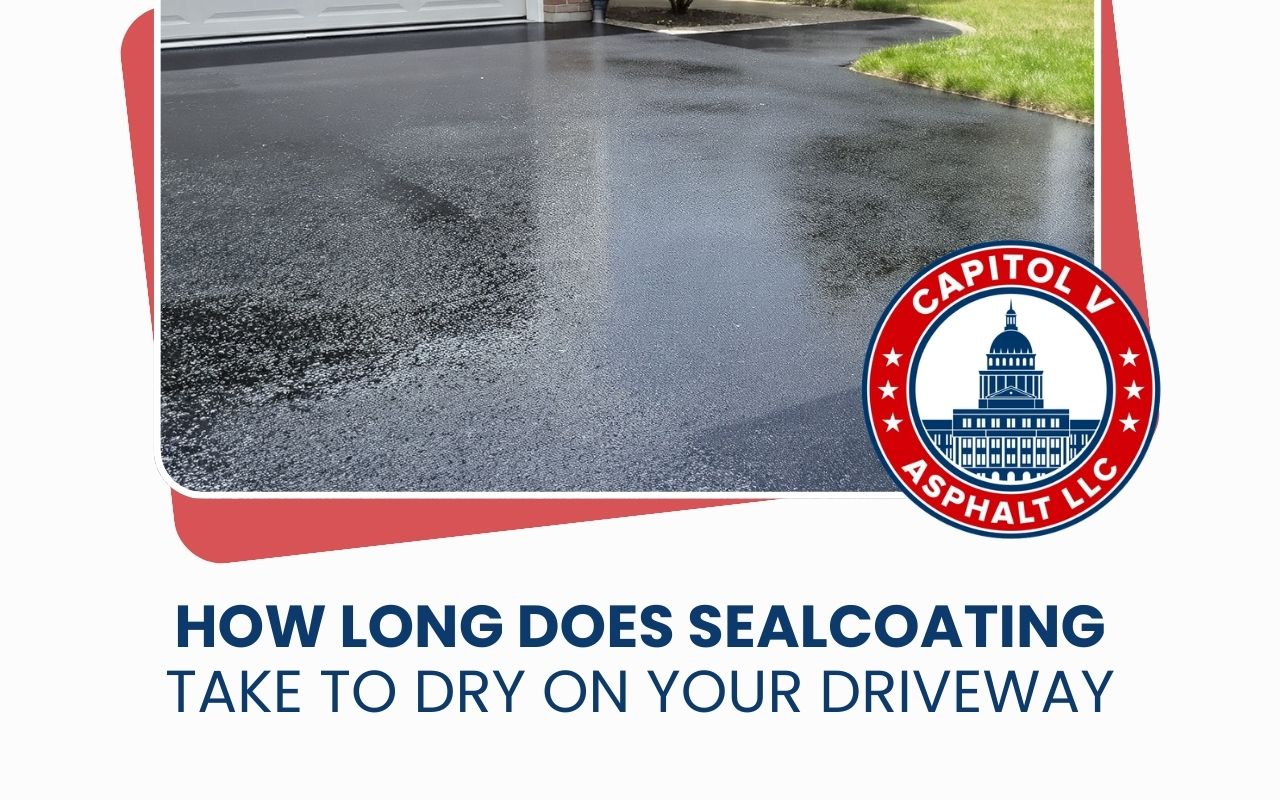
How Long Does Sealcoating Take to Dry on Your Driveway
Fresh sealcoating looks simple, yet timing matters a lot. If you use the surface too soon, you can damage the new layer and lose part of your investment.
This guide explains how long does sealcoating take to dry, what changes the wait time, and when it is safe to walk or drive again. Capitol Asphalt LLC also shares easy tips to help you plan with confidence.
Why Dry Time Matters for a Strong Asphalt Surface
Sealcoating protects asphalt from water, sun, and oil. As the surface loses moisture, it becomes dry on top and slowly grows stronger underneath. Because of this, understanding professional sealcoating services in Austin, TX can help you prepare for the full process.
Many property owners ask how long does sealcoating take to dry after a new coat is placed. In good weather, the surface may feel dry in 2 to 4 hours, but full strength takes longer. Capitol Asphalt LLC recommends patience so the finish stays smooth and long-lasting.
Sealcoating Drying and Curing Are Not the Same
Drying means the top layer no longer feels wet or sticky. Curing means the whole layer has bonded well and reached better strength. This is why sealcoating drying vs curing is important for anyone planning driveway use.
A surface can look ready while it still needs more time. Capitol Asphalt LLC explains that sealcoat cure time often continues long after the top feels dry, so early traffic can still leave marks.
Drying is the first stage after application.
Curing takes longer and builds final strength.
Early use can harm the fresh finish.
Key Weather Factors That Change Drying Time Fast
Weather has a big effect on drying speed. Warm air, low humidity, and light wind usually help the surface dry faster. Cool air and damp conditions slow everything down and can add many extra hours.
Because of that, how long does sealcoating take to dry depends a lot on the day of the job. Capitol Asphalt LLC suggests working when temperatures stay between 50°F and 85°F for better results.
Warm temperatures help moisture leave faster.
High humidity slows the drying process.
Light airflow can improve surface drying.
Material Choice and Surface Condition Also Make a Difference
Not all sealcoat products dry at the same speed. Some mixes are made for fast drying, while others focus more on long-term wear. At the same time, rough or porous asphalt may react differently than a very smooth surface.
Capitol Asphalt LLC notes that clean, dry pavement gives the best base for even results. Oil spots, dirt, and damaged areas can hold moisture and slow the process.
Best Application Methods for Better and Even Drying
The tool and method used during application also matter. A spray system often puts down a thinner coat, while a squeegee may leave a thicker layer that needs more time.
Capitol Asphalt LLC advises against heavy coats because trapped moisture can delay drying. For that reason, thin and even coverage usually gives a better finish and fewer problems later.
Thin coats usually dry more evenly.
Thick areas can stay soft for longer.
Even coverage helps the final look.
How Rain Can Affect Fresh Sealcoating Results
Rain can damage fresh sealcoat before it sets well. Water may create marks, streaks, or uneven spots, especially if it falls soon after the work is done. So, rain after sealcoating is one of the biggest risks to watch.
Capitol Asphalt LLC suggests checking the forecast before work begins. A dry weather window of at least 24 hours is often the safest choice for a clean result.
When It Is Safe to Walk or Drive Again
Light foot traffic may be fine once the surface is no longer sticky. However, vehicles need more time because tires place more pressure on the fresh layer. This is why many owners ask when can I drive on sealcoat after service.
In many cases, light cars should wait about 24 hours. Heavier vehicles may need 48 hours or more, depending on weather and product type. If you need project advice, Capitol Asphalt LLC invites you to contact Capitol Asphalt LLC for sealcoating guidance.
Frequently Asked Questions
How long does sealcoating take to dry in normal weather?
In good conditions, the surface may dry to the touch in 2 to 4 hours. Even so, full cure takes longer, so careful use is still important.
What is the difference between drying and sealcoat cure time?
Drying is when the top feels set. Sealcoat cure time is the longer period when the whole layer becomes stronger and more stable.
Can rain after sealcoating ruin the finish?
Yes, early rain can leave spots, streaks, or wash part of the coating away. That is why a dry forecast is very important.
When can I drive on sealcoat after the job is done?
Most light vehicles should wait at least 24 hours. Larger vehicles often need more time for safer results.
What is the best second coat timing?
In many cases, the second coat timing is about 24 to 48 hours after the first coat. This helps each layer dry well and bond correctly.
Simple Steps to Help Your Sealcoat Dry the Right Way
Start with a clean surface, good weather, and the right product. Then keep traffic off the area for the advised time. These simple steps can reduce problems and support a better finish.
Most importantly, remember that how long does sealcoating take to dry can change from one project to another. Capitol Asphalt LLC can help you choose the right timing, avoid weather risks, and protect your asphalt for longer.